As part of my Executive MBA in Product Leadership at the Institute of Product Leadership, I gave a talk on something that has fascinated and worried me in equal measure: how confidently false information travels through a single WhatsApp forward.
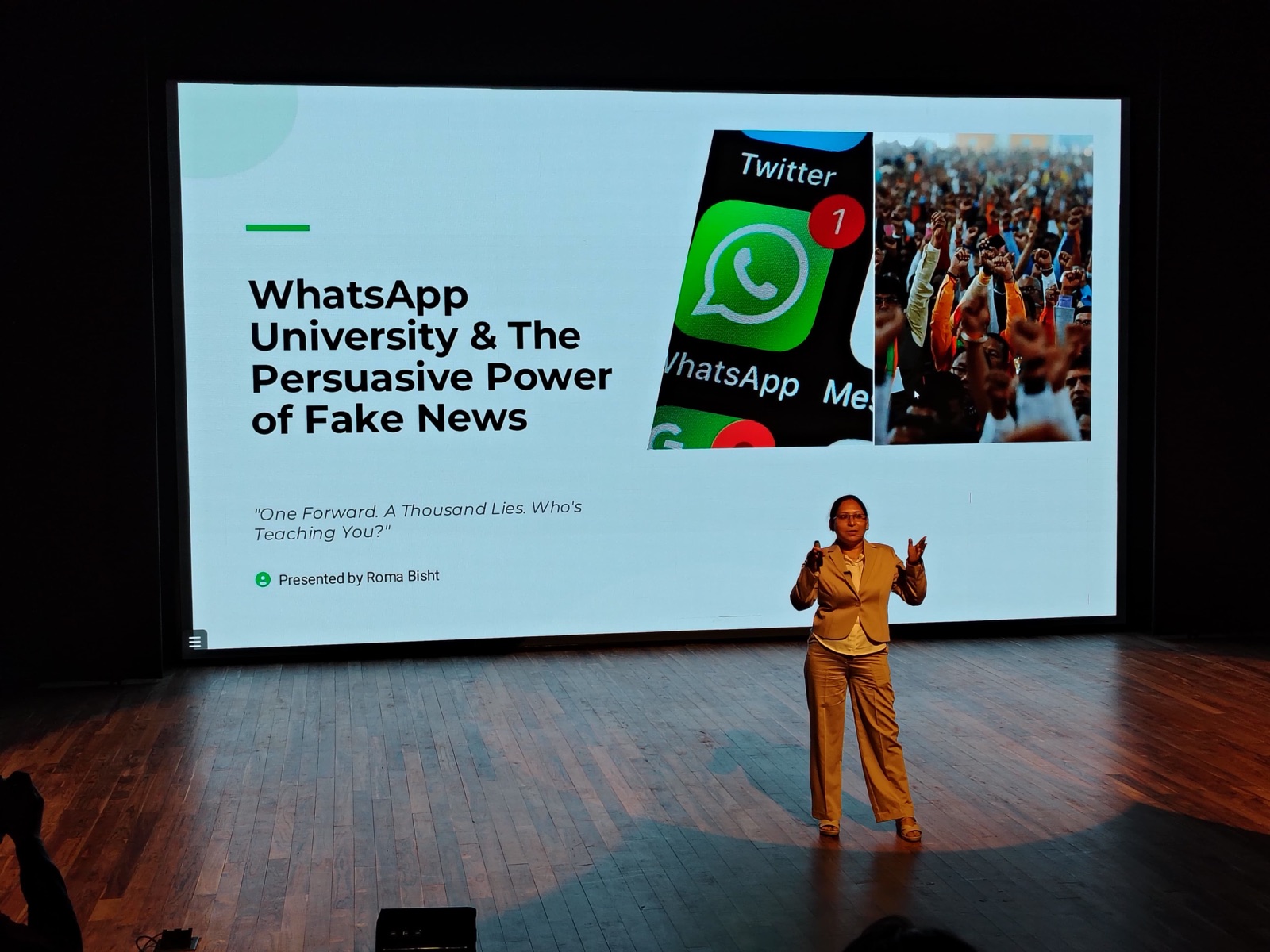
We called it "One forward. A thousand lies. Who's teaching you?"
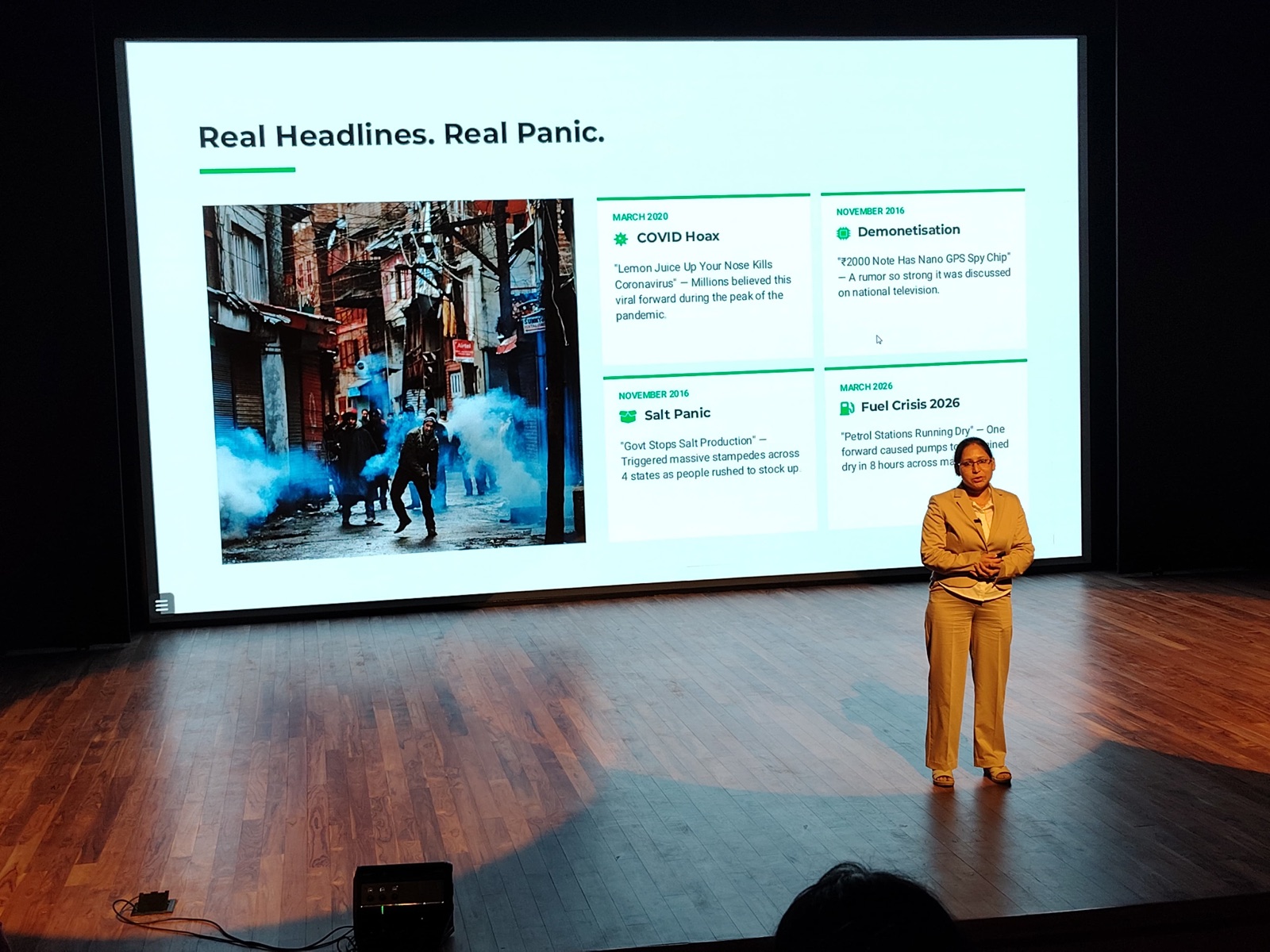
The examples write themselves, because we have all lived them:
- "Lemon juice up your nose kills coronavirus" — believed by millions at the peak of the pandemic.
- "The new ₹2000 note has a nano-GPS spy chip" — a rumour strong enough to be discussed on national television.
- "The government is stopping salt production" — enough to trigger stampedes across several states.
Why this belongs on a product blog
Misinformation is, in a dark way, a masterclass in product-market fit. A good rumour is frictionless to share, emotionally resonant, and perfectly built for its medium. It out-competes the truth not because it is right, but because it is better designed for spreading.
If you build products, that should keep you up at night — and also teach you something. The same forces that make a lie travel can carry a useful, honest thing just as far. The difference is intent.
I'm still pulling on this thread. But the first lesson is simple: in a world that forwards before it thinks, trust is not a feature you bolt on at the end. It is the product.